.png)

Clean Romance Content Warnings and Ratings
Clean romance ratings and content warnings aren’t about being “too sensitive.” They’re about reading like an adult with a calendar, a nervous system, and a mood. I’m here for the cozy. The swoony. The safe. And I don’t want to get blindsided on page 212 because an author dropped a surprise assault subplot and call it “gritty realism.” Nope.
So here’s how I think about content warnings and ratings for clean romance books, movies, and TV. What the labels usually mean. Where they fail. And how I vet a title fast before I sink hours into it.
And yes. I still get caught sometimes.
What clean romance readers usually mean by cleanLook, “clean” is squishy. For some readers, it means no sex on page and no profanity. For others, it also means no heavy trauma, no graphic violence, and no substance abuse. And for a lot of us, it’s not about morality. It’s about comfort. Brain space. Sleep.
I used to think clean was basically “fade to black and you’re fine.” Turns out. Not even close. A book can be zero spice and still be emotionally brutal. Or have a side character dealing with a miscarriage. Or a villain doing something horrible off-page. Still “clean” by one definition. Not clean-feeling at all by another.
My working definition
In my experience, the clean romance sweet spot is: romantic tension and emotional intimacy, but no explicit sex, and no lingering camera on stuff you’d rather not picture. Plus, the story doesn’t lean on shock value. That’s the vibe I recommend aiming for when you’re choosing reads for comfort.
But I also keep a second filter in my head: triggers. Because “clean” and “trigger-free” aren’t synonyms. Not even cousins sometimes.

Ratings tell you the broad intensity. Content warnings tell you about specific landmines. I want both. Because one without the other is how you end up pausing a movie and just staring at the wall. Been there.
Why movie and TV ratings are only a partial answer
MPAA ratings and TV Parental Guidelines focus heavily on sex, language, and violence. That’s helpful. But it can also miss the stuff clean romance readers complain about most. Like coercion. Like stalking framed as romance. Like a “twist” involving child loss.
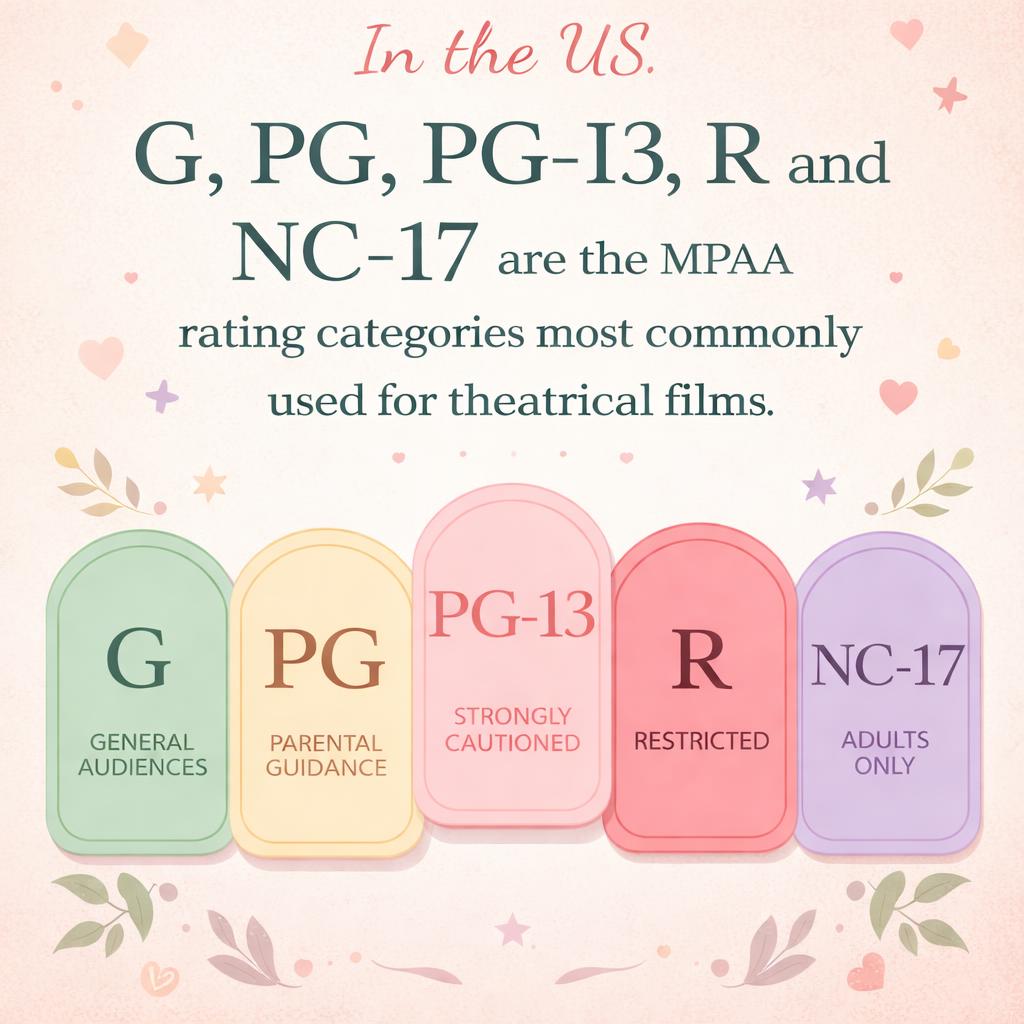
In the US, G, PG, PG-13, R, and NC-17 are the MPAA rating categories most commonly used for theatrical films. That’s a blunt tool. It’s not built to warn you about grief arcs or panic attack scenes.
And TV gets even messier. TV-14 can be way harsher than you expect, depending on the network and the year. Newer shows especially. Standards drift.
Why book ratings are chaos
Books don’t have a universal rating system. That’s the whole problem. You’ve got Amazon age ranges (sometimes). Publisher marketing blurbs (often vague). And reader-made spice scales (helpful, but inconsistent). One person’s “clean” is another person’s “closed door but still pretty steamy in the make-out scenes.”
So I treat book “ratings” as social signals, not rules. I look for repeated patterns in reviews. I check for reviewer vocabulary. “Wholesome” means one thing. “Sweet” means another. “No steam” can still include explicit sexual trauma references. Yeah.
Clean romance rating language I trust
Thing is, I trust certain phrases more than others. Not because they’re perfect. Because they’re usually specific enough to be useful.
For books
- Closed-door: sex happens off-page or the scene cuts away. Sometimes there’s still heavy buildup.
- Fade to black: similar to closed-door, but often more intentional about not describing anything explicit. (Sometimes the kissing is still… detailed.)
- Sweet: usually low heat, lighter tone. But I still check for trauma threads.
- Inspirational: tends to mean faith-forward and no explicit content. Still not a guarantee about triggers.
I’m not a fan of “clean with some spice.” That phrase bugs me because it’s trying to please everyone. It usually means the author doesn’t want to commit to a clear boundary. And you’re left guessing.
For movies and TV
- PG: often safe for clean romance viewers, but watch for grief, peril, and the occasional mean-spirited humor.
- PG-13: can be fine. Or not. Depends on how much “suggestive content” actually shows up.
- TV-G and TV-PG: usually a cozy bet. Still check episode guides for tough plotlines.
- TV-14: I slow down and verify. This is where surprises live.
And no, I don’t automatically reject PG-13. Some of my favorite gentle romances sit there because of one mild swear or a tense action beat. Context matters.
The content warnings that matter most for clean romance
Honestly? The stuff that knocks clean romance readers out of a story usually isn’t nudity. It’s emotional safety. It’s the sense that the author won’t ambush you.
My high-priority warning list
When I’m screening a title, I’m looking for any mention of:
- Sexual assault or attempted assault (on-page or referenced)
- Domestic violence and coercive control
- Pregnancy loss, infertility, child death
- Self-harm, suicide ideation, eating disorders
- Addiction and relapse (especially detailed scenes)
- Graphic violence, torture, or cruelty
- Stalking framed as romantic
But. One exception. I don’t always skip a book with grief if it’s handled gently, and the tone stays hopeful. I just want to know in advance so I can pick the right day for it.
Why surprise triggers hit harder in romance
Romance is where a lot of readers go to regulate. To decompress. To feel safe in a relationship arc. So when a heavy trigger shows up without warning, it feels like betrayal. That’s dramatic. It’s also true.
In the US, about 1 in 5 adults experience mental illness in a given year. That number matters because it means an enormous chunk of romance readers are actively managing anxiety, trauma, depression, or grief while they read. Content warnings aren’t “extra.” They’re basic respect. When I wrote my book Belonging Season, I made sure I added trigger warnings both in the front matter and also on the sales page so people know what triggers are in the book and they can choose if they want to read or not.
How I check clean romance content fast
So, what do I actually do? Here’s my real routine. It’s not fancy. It works most of the time.
Step one is the review vocabulary scan
I open the one-star and two-star reviews first. Not because I’m hunting drama. Because unhappy readers are the ones who say, “This had cheating” or “Surprise SA mention” or “Way more graphic than I expected.” Five-star reviews can be all vibes and no details.
I also scan for code words. “Edgy.” “Gritty.” “Dark.” “Realistic.” Sometimes that just means deeper emotions. Sometimes it means the author went places you might not want to go.
Step two is third-party parent guides for screen romances
For movies and TV, I check parent guides and episode-by-episode notes. Especially for streaming series. The first episode might be squeaky clean. Then season two drops a brutal storyline out of nowhere. Shows love doing that.
If you want my shortcut methods for screen content, I walk through them in the clean romance books, movies, and TV shows guide with quick rating checks. I keep it practical. Because nobody has time.
Step three is the author pattern check
Authors have habits. In my experience, once you’ve read two books by the same author, you can often predict the third. Not always. But usually. Some authors stay consistently sweet. Some will throw in a random thriller subplot every few books. I’m looking at you, “cozy small-town romance” that suddenly includes a serial arsonist.
Common rating mismatches that trip clean romance readers
These are the ones I see over and over. And I’ve made most of these mistakes myself. More than once.
Clean romance with an intense trauma backstory
No explicit sex. No profanity. But half the book is about recovering from abuse. That’s a totally valid story. It’s just not what many people mean when they’re asking me for “clean and comforting.”
Here’s my tell. If reviewers say “heavy” and “emotional” without calling it “uplifting,” I slow down and look for specifics.
Rom-com tone with sudden darkness
This whiplash is real. A book can be quirky banter for 70% and then, boom, a graphic threat scene. Some readers love the intensity. Some of us are reading at 10 p.m. and would like to keep our blood pressure down .
Low heat but high innuendo
Some clean-ish romances keep the bedroom door closed. But the dialogue is loaded. The jokes are constant. The camera lingers. That might not bother you. Or it might feel like the author is winking at you the whole time. I personally don’t love that. It pulls me out of the tenderness.
“No cheating,” but emotional affairs
This one gets messy fast. Some readers count only physical cheating. Others count secret texting, intimate conversations, and “I’m basically dating you, but I’m technically engaged.” I recommend deciding your line in advance. Mine is: if it would break trust in a real relationship, it counts.
How I rate clean romance for my own shelves
I keep a simple internal scale. It’s not universal. It’s just my system, so I can recommend things without rambling for 20 minutes.
My personal clean rating shorthand
- Very safe: no on-page sex, minimal innuendo, low violence, low trauma. Comfort read energy.
- Mostly safe: closed-door or fade to black, a few heavier topics mentioned but not dwelled on.
- Proceed with info: technically clean on heat level, but includes one or more common triggers or darker scenes.
And yes, I’ll still read “Proceed with info” sometimes. I just don’t pick it when I’m fragile or exhausted. That’s the difference.
When I tell a clean romance reader to skip
Real talk: I don’t think you need to push through content that makes you feel gross. Life’s too short. Reading time is precious. And clean romance is supposed to be a refuge, at least sometimes.
I recommend skipping when:
- You already know a topic is a hard trigger for you. No experimenting needed.
- The story normalizes coercion, stalking, or cruelty as “passion.”
- You’re experiencing a sensitive period, and people describe the book or show as “devastating.”
And if you’re sitting there thinking, “But what if I’m overreacting?” You’re probably not. Your gut is doing its job.
My final reality check about warnings
Content warnings won’t be perfect. Reviewers occasionally overlook things. Some people spoil plot points to warn properly. Some authors don’t label anything at all. It’s annoying. Still, you can get very good at protecting your reading life with a few quick checks and a little pattern recognition.
And when you find an author or a reviewer who matches your boundaries? Hold on to them. That relationship is golden.