.png)

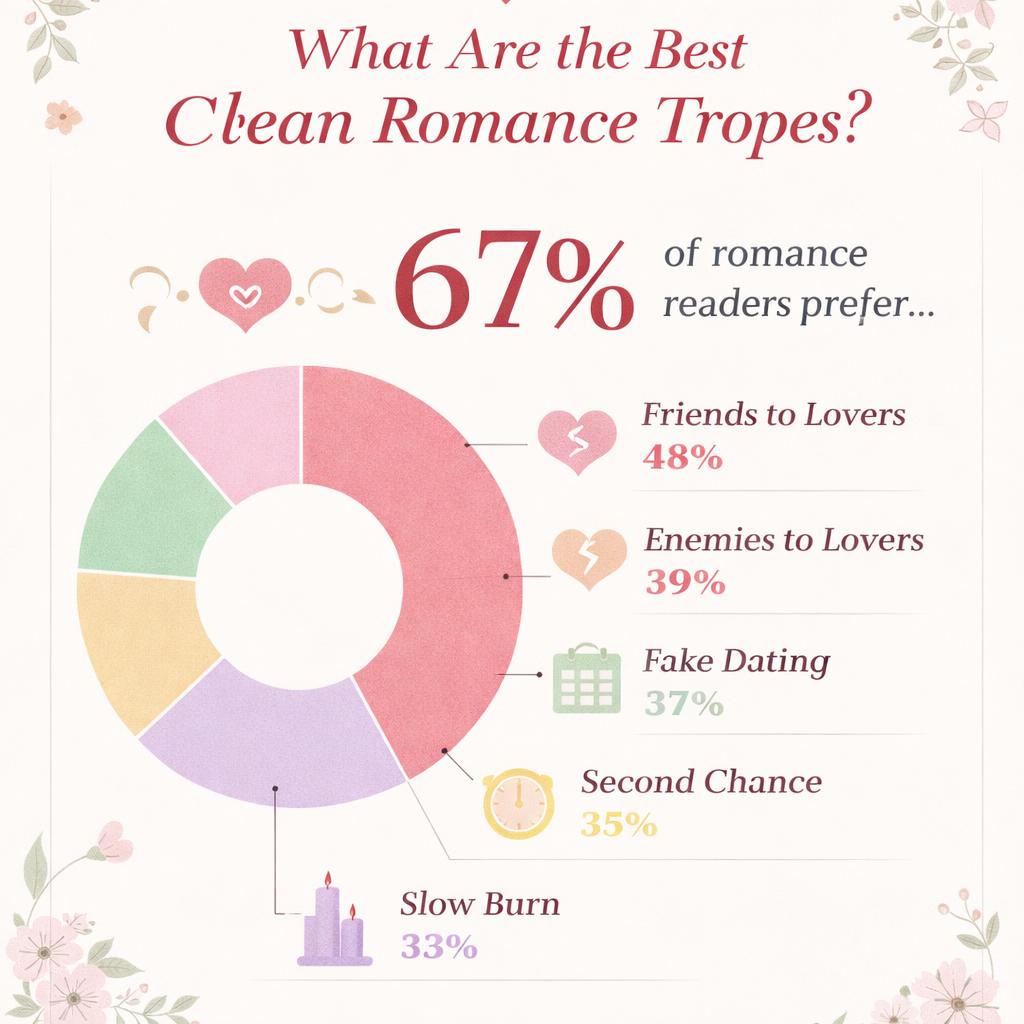
What are the best clean romantic tropes?
My favorite clean romance tropes aren’t the “perfectly polite” ones. They’re the ones that let me feel the butterflies without the cringe. You know that moment when you want chemistry and tenderness, but you also want to keep the page open in public. Same.
So I’m going to walk you through the tropes, I see clean romance readers reach for over and over. And the little reasons they work. (Also, the ways they can go sideways. Because, yeah, some of them do.)
Friends to lovers when you want comfort, not chaos
Look, friends-to-lovers is the warm blanket trope. It’s the one I pick when my brain’s tired and I don’t want emotional whiplash. The best clean versions keep the attraction simmering under shared history. Not out of nowhere. Not after one makeover scene. These are my favorite stories to write, too. :)
The slow click that feels earned
In my experience, the clean friends-to-lovers trope hits hardest when there’s a tiny shift. A new job. A move back home. One friend dating someone else and the other one being… weirdly quiet about it.
And it’s not about “I never noticed you.” It’s more like. “I noticed. I just didn’t let myself want it.” That’s the good stuff.
What can ruin it fast?
Real talk: I’m not a fan of the version where one person is basically a doormat for 300 pages. Being kind isn’t the same as being taken advantage of. I want mutual respect early, even when they’re still “just friends.”
If you’re building a TBR around this vibe, I keep a running list like this on my clean romance tropes and themes page. I add to it whenever I stumble upon a gem. Or a flop.

Fake dating that stays sweet, not spicy
Fake dating is ridiculous. That’s why it works. Two people pretending, trying to look normal, and accidentally catching feelings. It’s the rom-com engine. Clean romance does it especially well because the tension comes from proximity and restraint, not explicit scenes.
The best setups are oddly practical
Honestly? The strongest fake dating premises are boring in the best way. A family wedding. A work event. A small-town festival where everyone knows your business (and your mom has opinions).
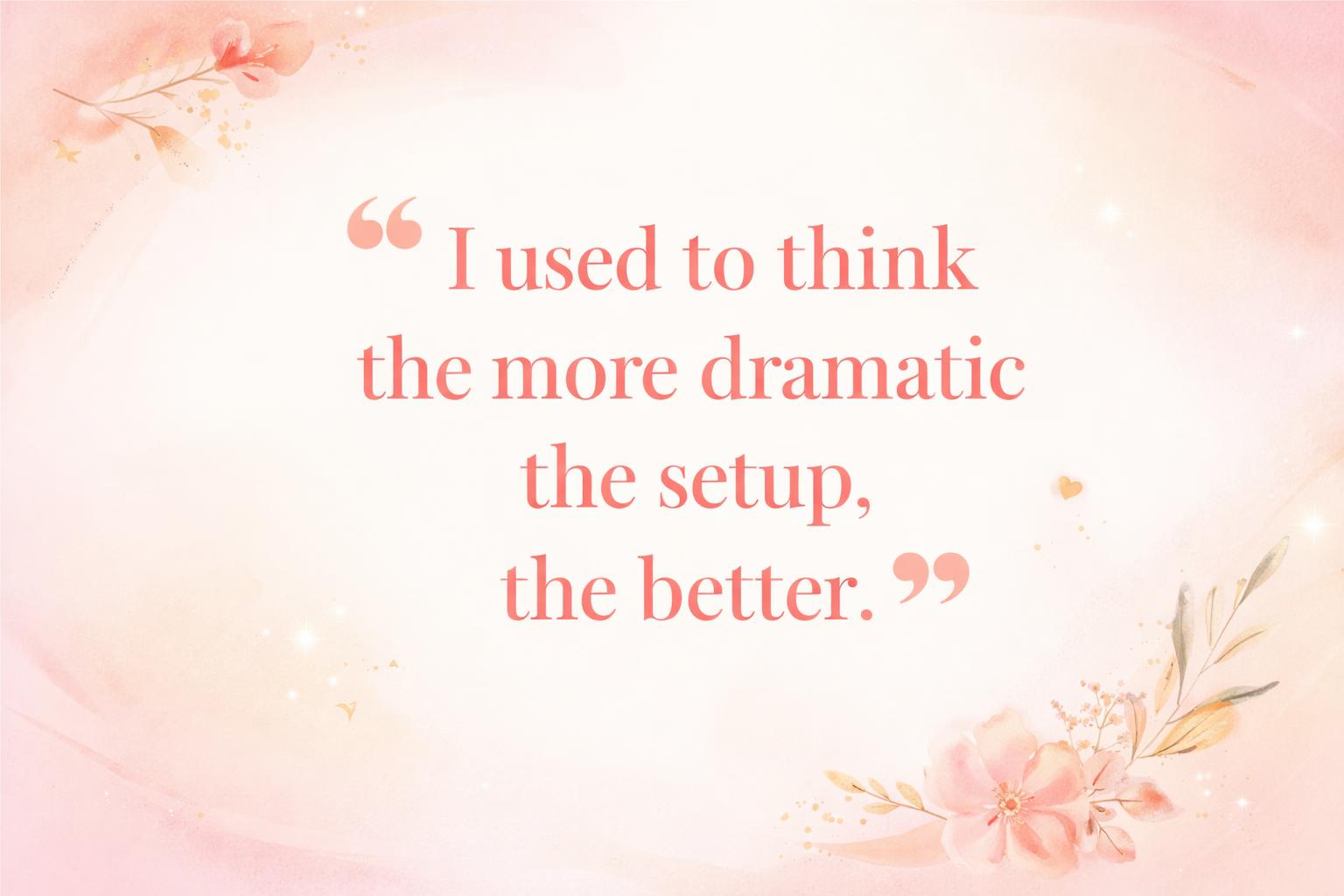
I used to think the more dramatic the setup, the better. Turns out the opposite’s true most of the time. When the reason is simple, you stop poking holes in it and you can just feel things.
The consent and boundaries piece matters
Here’s what I mean. In clean romance, fake dating can slide into pressure. “Just hold my hand.” “Just kiss me once.” It can get pushy if the author isn’t careful.
I want the characters to check in. Not with a big, formal speech. Just a quick, “You okay with this?” That tiny line makes me trust the whole story more.
Enemies to lovers without the meanness hangover
Enemies-to-lovers is a crowd favorite, but it’s tricky in clean romance. Because clean readers want emotional safety. Not constant cruelty dressed up as flirting. There’s a difference between sparring and scarring.
Rivals are often the cleaner, better version
So, I’ll be straight with you. I recommend looking for “rivals” energy rather than real enemies. Competing businesses. Academic competitors. Two people up for the same promotion. The conflict is external enough that it doesn’t feel like bullying.
And the banter. It should be clever, not cutting. If I can’t imagine them being decent to a server, I’m out.
My quick gut check while reading
I do this little test. If the romance ended on page 80, would I still respect both characters? If the answer’s no, it won’t land for me later.
- They apologize when they cross a line
- The “enemy” label is mostly misunderstanding or competition
- No humiliation played for laughs
- The power balance remains fair
- You see character growth, not just attraction
But when it’s done right? Whew. The moment they choose kindness on purpose feels like fireworks.
Second chance love that feels hopeful, not exhausting
Second-chance romance can be the most tender, clean trope. Or the most frustrating. It depends on why they broke up and whether the story respects that history.
What makes a second chance believable?
Thing is, “I was scared” isn’t enough on its own. Not for me. I want specifics. A bad assumption. A family crisis. A move that changed everything. Maybe they were nineteen and impulsive. Fine. But now they’re older and actually able to talk.
In my experience, the best second-chance books give you evidence the problem won’t repeat. Not promises. Evidence. A hard conversation. A changed habit. A boundary that sticks.
The clean romance angle I love
Clean romance focuses on rebuilding trust, and that’s exactly what this trope needs. The small gestures do most of the heavy lifting. Showing up. Keeping a commitment. Remembering the little things that mattered before it all went wrong.
If you want a bigger map of clean romance across books, movies, and TV, I keep that updated in my clean romance books, movies, and TV shows guide. I’m picky about what I call “clean,” so I spell out what to expect.
Forced proximity that creates tenderness fast
Forced proximity is the trope I grab when I want sparks without mess. A snowstorm. A broken car. One bed. (Yes, I know. It’s a classic for a reason.) Clean romance thrives here because the tension can stay in glances, accidental touches, and that awkward awareness of someone’s presence.
Cozy scenarios that still feel real
Most people think forced proximity has to be extreme. I don’t. It can be a house-sitting gig. Helping to renovate a community center. A road trip where the only hotel has one room left.
And I love when it’s not just physical closeness. It’s emotional closeness, too. Being stuck with someone means you can’t dodge every vulnerable topic. Eventually you talk. Or you crack.
One bed is great. Unless it’s goofy.
Real talk: I’m fine with one bed. I’m not fine with the characters acting like sharing a bed automatically deletes common sense. In clean romance, the sweetest version is the respectful one. Pillow barrier. Sleeping on top of the covers. That half-laughing, half-panicking “this is fine” energy.
And then the next morning. The little softness. That’s the payoff. Not a big, dramatic scene. The characters acting like mature adults rather than panicked teenagers make this a great trope if done right.
What trope is best if I want high chemistry but still clean?
I recommend fake dating or forced proximity. Both let the tension build naturally, and you can get that intense “are they going to admit it?” feeling without explicit content. Enemies-to-lovers can work too, but I’d steer you toward rivals, so it stays fun instead of harsh.
Which trope is safest if I hate miscommunication plots?
Friends-to-lovers is usually your safest bet, especially when the friendship is solid and the conflict comes from timing or fear, not constant misunderstanding. Second chance can be safe too, but only when the characters actually talk like adults. I’m picky about that. Probably because I write it and always aim for my characters to start from solid friendships while still navigating the harsh realities of life and having real conversations with each other.