.png)

Best Clean Romance Tropes and Themes
Clean romance tropes are basically my shortcut to finding a story that feels safe, swoony, and actually satisfying. Not bland. Not preachy. Just… steady. The kind of love story I can hand to my mom, my teen niece, or my best friend without sweating.
And yes, I’m picky. I want the butterflies. I just don’t want the bedroom door kicked open on page 73.
If you’re still building your taste, I’d start with the clean romance books, movies, and TV shows guide. I keep coming back to it when I’m in a slump and everything I try feels either too spicy or too flat.
Clean romance tropes that almost always work
Friends to lovers
Honestly? This one’s my comfort food. It’s all about emotional safety. You already trust the person, so the tension comes from fear of losing the friendship, not from “will they betray each other in a dramatic third-act meltdown.”
I used to think friends-to-lovers was automatically low-drama. Nope. Some authors crank the misunderstanding dial way too hard. The best versions keep the conflict internal. Little flinches. Big feelings. A long look across a room.
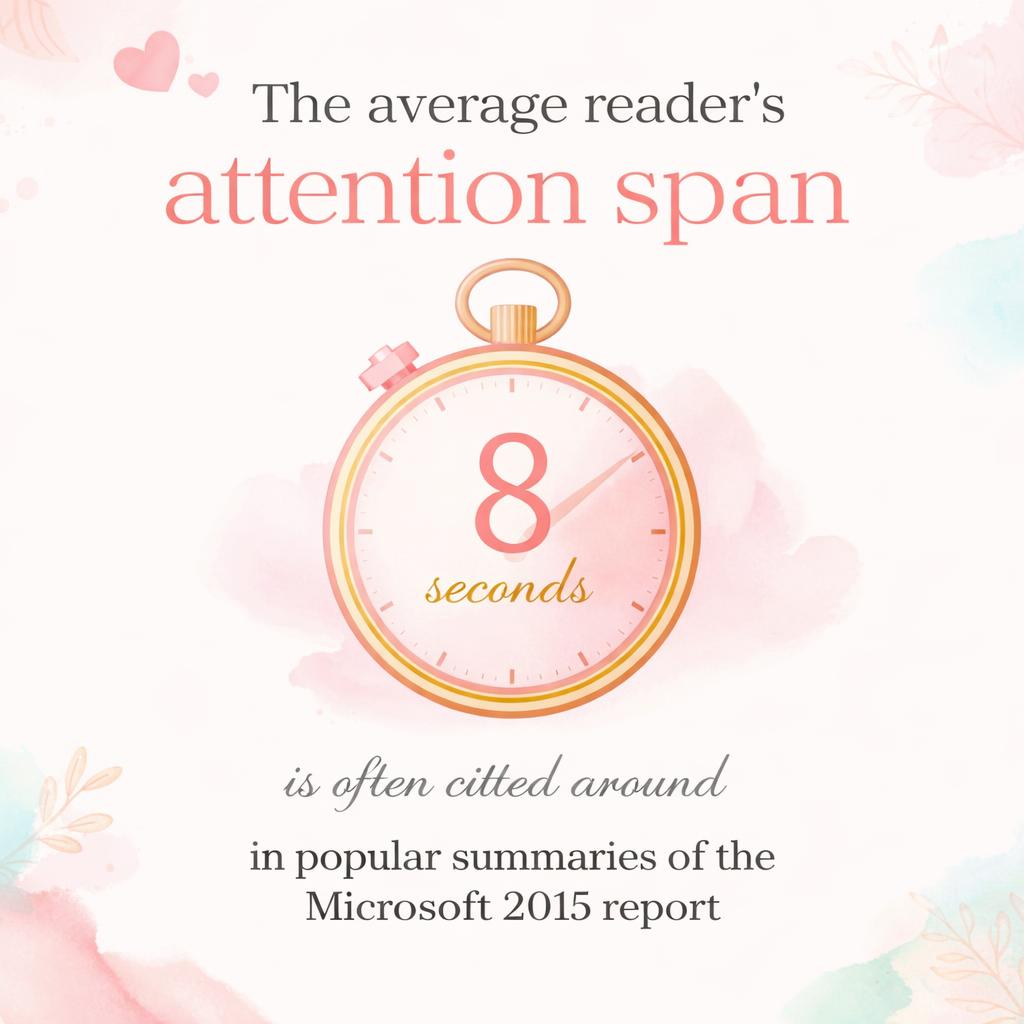
And it’s not just me being sentimental. The average reader’s attention span is often cited around 8 seconds in popular summaries of the Microsoft 2015 report. That matters because friends-to-lovers can hook you fast without needing shock value.
If you want a deeper filter for this trope (especially how to avoid the “suddenly they’re strangers” version), I wrote more thoughts in how to choose clean romance friends to lovers.
Slow burn
Slow burn is where clean romance flexes. Because when physical scenes aren’t doing the heavy lifting, you notice craft. Dialogue. Micro-tension. Restraint.
But a slow burn can also become… slow. Like, “two people stare at each other for 300 pages and then politely shake hands.” I’m not a fan of that. In my experience, the best slow burn keeps giving you tiny payoffs. A shared joke. A protective moment. A choice that costs something.
Need help spotting the good kind? I break it down more in what slow burn means in clean romance stories.
Fake dating
Fake dating is chaos, in a controlled way. That’s why it works for clean romance readers who still want sparks. You get forced proximity without the pressure to “go explicit” to prove they’re attracted.
Here’s the thing. The reason has to be believable. I’ll tolerate a lot. But not “we must pretend to date because… reasons.” Give me a wedding weekend. A small-town fundraiser. A family that won’t stop match-making. Something.
Enemies to lovers, but actually clean
This trope can be tricky in clean romance because some versions rely on cruelty or humiliation. Hard pass. I’m fine with prickly. I’m fine with ideological clash. I’m not fine with a love interest who’s mean in a way that would be a red flag in real life.
What works? Respect underneath the friction. They challenge each other, but they don’t degrade each other. They apologize. Like adults.
Second chance
Second chances hit differently when you’ve lived a little. Or a lot. This trope tends to land for readers who want maturity. People who don’t panic over one awkward conversation.
But it only works when the past breakup makes sense. I need a genuine reason. Timing. Fear. Family pressure. Not, “I ghosted you for 7 years because I got busy.”

Settings and themes clean romance readers love
Small town
Small-town clean romance is popular for a reason. It gives you community, stakes that aren’t apocalyptic, and side characters who feel like neighbors. Plus, the social web keeps people accountable. That matters when you want a story that feels emotionally safe.
Real talk: I’m also here for the cozy logistics. The bakery. The library fundraiser. The “everyone knows everyone” awkwardness. I wrote more about why it works in why small town clean romance is so popular.
And yeah, cozy sells in general. Nielsen has reported that U.S. print book sales rose about 8% in 2020 compared with 2019. When readers are stressed, a gentler vibe often wins.
Faith-adjacent and faith-forward
People lump these together, but they don’t feel the same when you’re reading. Faith-adjacent might have a church in the background. A prayer before dinner. Values on the page without sermon mode.
Faith-forward is more explicit. Characters actively wrestle with belief. Scripture might be quoted. The romance is still the romance, but the spiritual thread is part of the emotional arc.
I’m careful here because readers’ comfort levels vary a lot. Some want it. Some don’t. And some want “clean” without religious content at all. If you’re sorting that out for yourself, check when faith-based clean romance fits readers.
Career-focused heroines and competent heroes
You want a heroine with a spine. A life. A job she’s good at. Same for the hero. Competence is attractive. Quietly, but powerfully.
One pet peeve of mine? When “clean” turns into “infantilized.” Like the characters can’t have adult lives because the author’s scared of adult topics. You can write clean and still write grown-up. Grief. Boundaries. Therapy. Big family stuff.
Emotional beats that make clean romance feel intense
Yearning
Yearning is the engine. The best clean romance doesn’t remove desire. It redirects it. Long looks. Almost-touch moments. The ache of wanting to be known, not just wanted.
When I’m recommending books to friends who think clean romance is “tame,” yearning is the ingredient I point to. It’s the difference between sweet and sleepy.
Acts of service and protective moments
Look, grand gestures can be fun. But clean romance readers notice the quiet stuff. He fixes the porch step so she won’t trip. She brings soup when he’s sick and doesn’t make it weird. They show up.
And showing up is a real relationship indicator, not just a trope. In Gottman-style relationship research, the idea that stable couples make more “positive to negative” interactions is commonly summarized as about a 5 to 1 ratio. So those small positives on the page add up fast.
Emotional honesty without spiraling
I love a vulnerable confession scene. I just don’t want emotional dumping that turns the love interest into a therapist. Clean romance does best when characters take responsibility for their growth. They can lean on each other, sure. But they’re not outsourcing their healing.
Also? Apologies. Real ones. Not “sorry you feel that way.” I want the good stuff. Naming the harm. Making amends. Trying again.
How I pick tropes based on mood
When I want comfort
I go for friends-to-lovers, small town, or marriage-of-convenience with low angst. Something that feels like a warm drink. I’ll still take tension. Just not whiplash.
When I want chemistry without spice
Fake dating. Forced proximity. Slow burn with sharp dialogue. That combo is reliable. It gives you heat without explicit scenes. And the characters have to talk. Which is… kind of the point.
When I’m tired of “miscommunication” plots
I look for external stakes. A family responsibility. A job change. A shared project. Anything except two adults refusing to have a 30-second conversation.
And I’ll be straight with you. I’ll DNF a book over this. Life’s too short.
Quick ways to find the clean tropes you actually like
Thing is, “clean” isn’t one single thing. Some books are closed-door but heavy on innuendo. Some are totally sweet. Some are faith-forward. You’ve got to match your own comfort level.
So I do a few practical checks:
- I read a couple of reviews that mention the content level. Not just star ratings.
- I skim for tone cues. Snarky? Cozy? Serious?
- I look at the trope framing in the blurb. Is it promising growth? Or just gimmicks?
If you want a more step-by-step approach to finding clean romance books that fit your boundaries and your mood, head to how to find clean romance books. I wrote it for the exact moment when everything you try feels like the wrong flavor.
And if you’re still deciding which tropes are your “yes” tropes, start here: what are the best clean romance tropes. I keep it practical. Because that’s what you need when you’re mid-slump and just want your next good read.