.png)

When Does Faith Based Clean Romance Fit Readers?
Faith-based clean romance fits when you want the love story to feel safe. Not boring. Safe. The kind of safe where you’re not bracing for the scene that makes you shut the book and stare at the wall like, “Why did I even start this?”
I read clean romance because I like the fluttery stuff. The long looks. The slow burn. The emotional honesty. And yeah, I enjoy knowing the characters won’t slide into bedroom territory just because the author ran out of ways to build tension.
But faith-based? That’s a specific flavor. Sometimes it’s exactly what I need. Sometimes it’s not. And that’s normal.
When your definition of clean includes spiritual alignment.
You want faith to be more than a decorative detail.
Here’s the thing. A lot of “clean” romance is clean because it avoids explicit content. That’s it. No sex on the page. Minimal language. Maybe no drinking. Fine.
Faith-based clean romance usually goes further. You’ll see prayer show up naturally. Church life might matter. The characters may talk about God the way real people do when faith is actually part of their daily decisions.
And if that’s how you live, or how you want your stories to feel, it can be such a relief. Like exhaling.
But you also don’t want to be preached at.
Real talk: I’m picky about this. I want faith to be woven in, not slapped on like a sticker. If the story pauses for a mini-sermon every other chapter, I’m out.
In my experience, the best faith-based romances trust the reader. They show a character wrestling. Messing up. Trying again. The author doesn’t panic and clean it up with one inspirational quote.
If you’re still figuring out where you land with “faith-forward” stories, I’d start by browsing a broader guide to clean romance books, movies, and TV shows so you can see the range. Some are gentle. Some are very explicit about faith. (Not explicit like that. You know what I mean.)
.jpg)
When you’re tired of the same old relationship scripts.
You want courtship energy without the cringe
Sometimes modern romance feels like it has one default setting. Attraction. Banter. Hookup. Complications. Angst. Repeat.
Faith-based clean romance uses different “rules” for what counts as progress. A conversation can feel intimate. A boundary can create tension. A promise can matter. And honestly, that can be way more romantic than page-after-page of physical escalation.
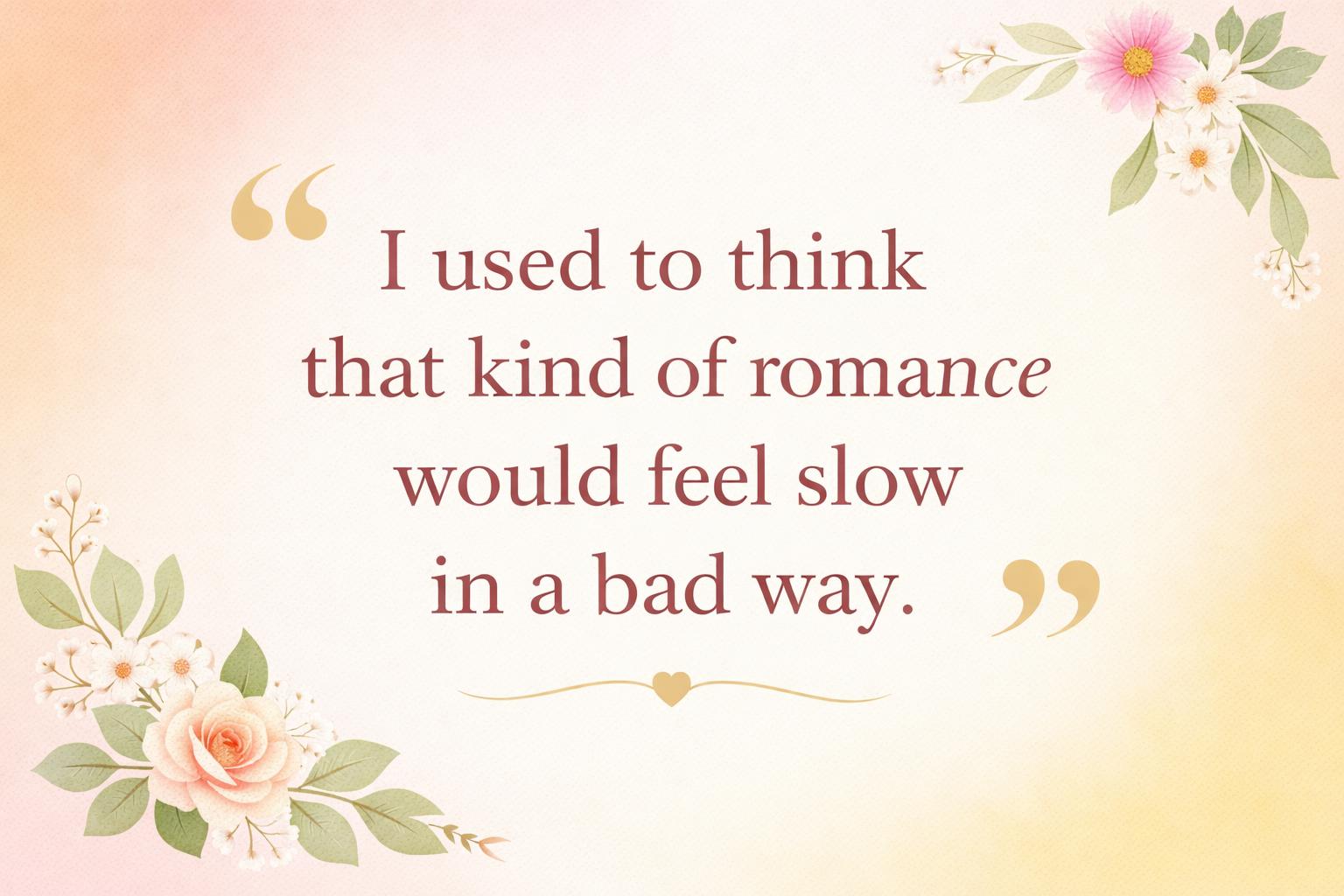
I used to think that kind of romance would feel slow in a bad way. Turns out it can be slow in a delicious way. Like waiting for the kettle to whistle. You’re not bored. You’re anticipatory.
It fits when you crave emotional safety.
Not everyone wants the same thing from a romance read. But if you’re someone who reads to soothe your nervous system, faith-based clean romance can be a sweet spot.
Because the relationship usually has guardrails. Not perfect ones. But the characters are typically trying to be decent. Trying to build something. Not just chasing chemistry like it’s the only virtue left.
And yes, sometimes the “trying to be decent” is the whole conflict. I don’t mind that. Life’s like that.
When you want boundaries to be respected on the page.
Clean is not the same as low-stakes.
This bugs me. People assume clean romance means nothing intense happens. Like the worst thing you’ll face is a misdelivered latte.
Nope. Faith-based clean romance can go hard emotionally. Family issues. Betrayal. Shame. Grief. Fertility struggles. Divorce history. Addiction in the past. The difference is how the story treats it. Usually with more hope, more restoration, more “let’s try again” energy.
But boundaries are a big deal here. The characters might not sleep together. They might not even kiss much. And the story doesn’t treat that as childish. It treats it as intentional.
Signs the book will match your comfort level.
When I’m helping a friend pick a clean romance, the first thing I ask is, “What do you mean by clean?” Because readers use that word in totally different ways.
Here are a few quick signals I look for before I commit my time:
- Clear content notes or a consistent publisher line (even a brief one helps).
- Characters talk about boundaries without being mocked for it.
- Romance tension comes from choices, not forced proximity plus lust.
- Faith elements show up in scenes, not just in the backstory.
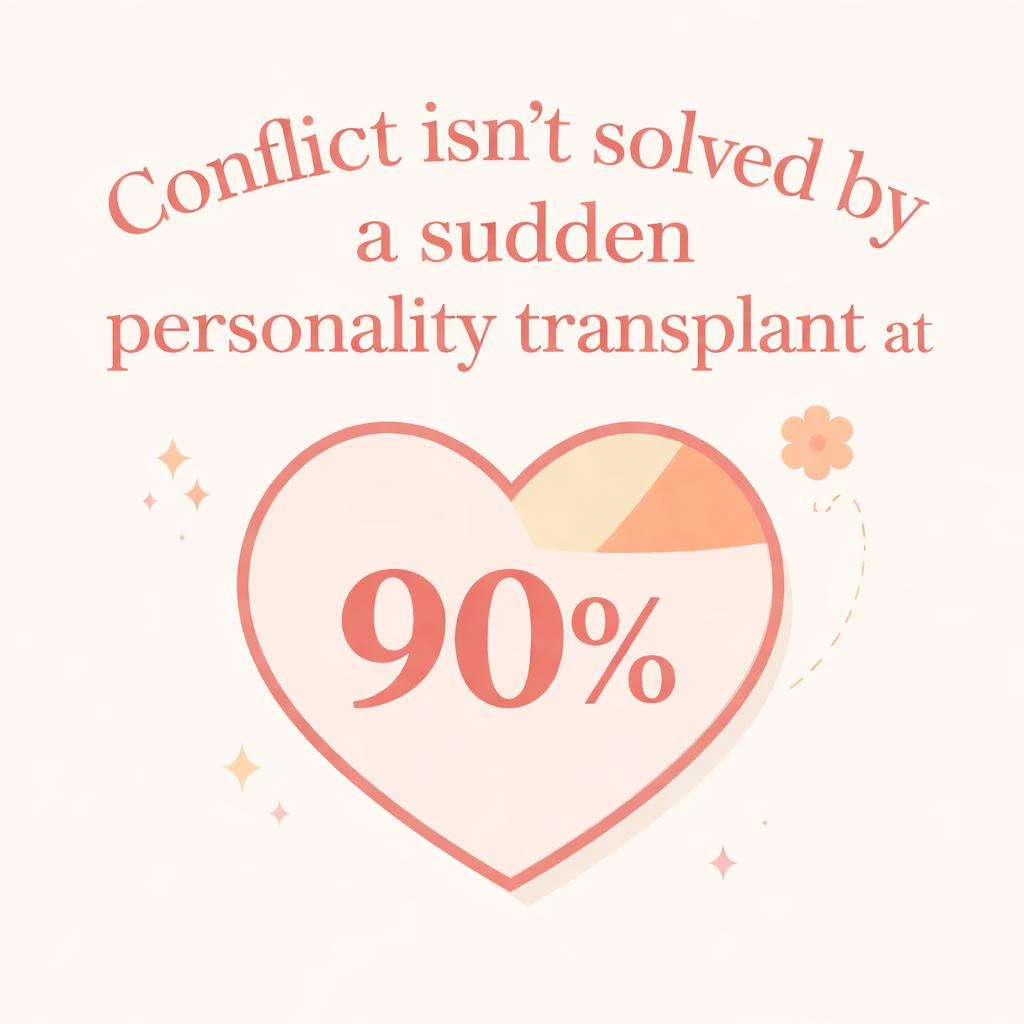
- Conflict isn’t solved by a sudden personality transplant at 90%.
And look, now and then you’ll find a book that’s technically “clean” but still feels kind of grimy, emotionally. Manipulative love interest. Cruel teasing. Coercion played as flirting. That’s a different problem.
Faith-based clean romance tends to avoid that. Not always. But often.
When your reading slump needs hope, not heat.
Some seasons call for gentler stories.
I’ve had seasons where I couldn’t handle cynicism in my romance. Not because I’m fragile. Because I was tired. Work stress. Family stuff. The usual invisible pile.
In those weeks, faith-based clean romance was the only thing that went down easy. It felt like someone had turned the volume down on the world. Still a story. Still stakes. Just… less spiky.
And yes, sometimes I want spiky. I’m not above a sharp-tongued heroine and a broody hero with emotional damage. But when I’m already carrying too much, I want kindness. I want a love story that believes in people again.
It also fits when you want romance without compromise.
Maybe you’re dating. Maybe you’re married. Maybe you’re happily single and tired of books acting like “single” is a disease. Faith-based romance can support those realities without trying to convert you to the idea that passion only counts if it’s explicit.
And if you’re hunting for specific relationship dynamics, I keep a running list of tropes and themes I actually enjoy revisiting. I recommend skimming the best clean romance tropes and themes page when you’re not sure what mood you’re in. Sometimes the trope solves the slump. Not the author.
When it won’t fit, and that’s okay.
You want faith to be present, but not central.
Sometimes you want clean romance with a light touch. The couple might share values, but you don’t want church scenes or prayer woven into every turning point.
Faith-based clean romance might feel too specific in that moment. Too focused. Too much “community life.” And that doesn’t mean you’re wrong. It means you have a preference.
You’re sensitive to certain portrayals.
I’ll be straight with you. Some books handle faith clumsily. The “good” characters sound flawless. The “bad” characters are cartoonish. Or they treat doubt like a moral failing instead of a human experience.
That’s when faith-based clean romance won’t fit. Especially if you’ve got any church baggage. Those stories can feel like they’re poking a bruise.
So I give you permission to be choosy. Read reviews. Sample a chapter. Pay attention to how the author talks about forgiveness, purity, divorce, and mental health. You’ll get a feel for it fast.
FAQs for When does faith-based clean romance fit readers
Is faith-based clean romance the same as Christian romance?
Most of the time, people use them interchangeably. But not always. “Faith-based” can sometimes include a broader spiritual angle, while “Christian romance” is usually more specific about beliefs and language. In my experience, the best way to know is to read the book description and peek at a few pages. The tone shows itself quickly.
Will faith-based clean romance always avoid physical affection?
Nope. Some are kiss-free. Some have kisses but keep them sweet. Some include fairly strong chemistry but stop short of explicit scenes. The label doesn’t tell you the exact boundaries. The author’s style does. I recommend checking reviews from readers who care about the same clean line you do. They’ll often mention it without making it weird.